
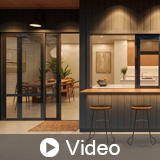
From Tradition to Innovation: The Role of Glass in Sustainable, Healthy Architecture

ODL is an established leader in the world of building materials delivering high-quality door and insulated glass offerings.
Architectural glass and window technologies have evolved significantly, shaping how buildings perform, protect occupants, and promote sustainability. This course provides architects with a comprehensive overview of glass innovations, performance ratings, and sustainability considerations that directly impact health, safety, and welfare of occupants. Participants will examine the evolution of glass and window technology, the fundamentals of FGIA/AAMA performance ratings, and the integration of blinds within insulated glass units for improved daylighting, glare control, and occupant comfort. The course also reviews key sustainability measures, including ASTM and IGMA testing standards, and highlights future innovations such as aerogel. Case studies will demonstrate real-world applications where glass and window systems contribute to occupant well-being, energy efficiency, and long-term performance. In addition, the course identifies potential LEED credits related to daylighting, energy performance, and material durability, helping architects connect design strategies to certification pathways.
- Trace the evolution of window and glass technology and explain how innovations have improved building performance, occupant safety, and environmental impact.
- Interpret FGIA/AAMA performance ratings to specify windows that meet requirements for durability, energy efficiency, and occupant protection.
- Apply principles of sustainability and health by integrating glass technologies and enclosed blinds that enhance daylighting, reduce glare, and improve indoor environmental quality.
- Examine case studies of architectural glass applications to evaluate how tested and certified systems contribute to occupant safety, comfort, and long-term building performance.