
Aluminum doors and frames are increasingly popular in commercial interiors for their clean aesthetics and strong performance. This course explores practical applications of aluminum framing systems in modern architectural projects. Learn how to specify systems that meet fire and acoustic requirements, support flexible design goals, and install easily on various wall types. Discover how these solutions comply with building codes, reduce labor, and work with diverse hardware.
Darrin Brown
Darrin Brown

For years, Darrin has worked at the intersection of construction, architecture, and content strategy. He currently writes AIA Continuing Education courses for the American Institute of Architects, translating complex building product information into engaging, architect-focused narratives. In addition to his work in education, he serves in a leadership role with the largest coatings company in the world, where he partners directly with builders, developers, and architects on corporate contracts, sales strategy, and operational execution. That combination of field experience and technical writing shaped the foundation of Rockwell Content Studio: when a company communicates with clarity and purpose, understanding turns into trust. A featured author in Fortune Magazine, Darrin combines analytical thinking with strong storytelling ability, translating complex ideas into compelling content that resonates with decision-makers. His work bridges the gap between sales strategy and brand communication, giving organizations a competitive advantage in crowded markets. Before his corporate career, Darrin competed on the men’s professional billiards tour for ten years. That experience demanded relentless focus, discipline, and the drive to pursue excellence at the highest level. It taught him what it truly means to commit to being exceptional, and that same standard now shapes the way he approaches his writing, business, leadership, and every project he takes on.
Take One Of My Online Course(s) Now!
FREE |
 Metal surfaces are widely used in architecture for their durability, aesthetic richness, and evolving character. However, traditional fabricated sheet and plate systems introduce challenges related to weight, seams, structural support, and transportation. This course examines decorative liquid metal finishes systems as an alternative approach to achieving real metal finishes on architectural substrates. Participants will explore system composition, substrate compatibility, adhesion performance, finishing techniques, exterior exposure considerations, and long-term maintenance strategies. 
FREE |
 As cities evolve toward more sustainable and health-conscious design, architects play a pivotal role in shaping the infrastructure that supports active transportation. This course explores the intersection of architecture, mobility, and sustainability through the lens of bicycle parking design, from municipal standards to the growing demand for secure storage in both public and private, indoor and outdoor environments. 
FREE |
 Architectural glass and window technologies have evolved significantly, shaping how buildings perform, protect occupants, and promote sustainability. This course provides architects with a comprehensive overview of glass innovations, performance ratings, and sustainability considerations that directly impact health, safety, and welfare of occupants. Participants will examine the evolution of glass and window technology, the fundamentals of FGIA/AAMA performance ratings, and the integration of blinds within insulated glass units for improved daylighting, glare control, and occupant comfort. 
FREE |
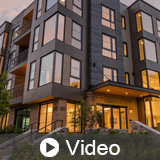 The adoption of smart access control systems is transforming multi-family, multi-tenant, and commercial properties driving significant growth in the smart lock industry worldwide. This course explores how smart locks go beyond traditional mechanical functions to offer seamless, technology-driven security and access solutions. Attendees will gain insight into the latest advancements, key features, and industry trends shaping smart lock technology. 
FREE |
 The regulatory environment for commercial HVAC systems is evolving faster than ever. New efficiency metrics phased transitions from high-Global Warming Potential (GWP) refrigerants, and decarbonization initiatives that go hand-in-hand with electrification efforts are reshaping how architects and engineers design, specify, and operate building systems. This course examines the latest updates to federal and key state energy codes, refrigerant regulations under the AIM Act, and carbon reduction policies driving the shift toward electrification and low-GWP technologies. 
FREE |
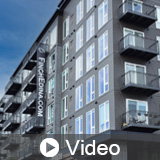 This course explores how prefabricated, extruded aluminum balcony and railing systems enhance building durability, safety, sustainability, and aesthetic quality while offering architects a complete, coordinated exterior solutions package. By the end of this course, you will learn: How aluminum’s corrosion resistance, long service life, recyclable alloys, and durable powdercoat finishes support resilient, low-maintenance design with modern visual appeal, providing long-term advantages over legacy material choices like treated lumber, steel railings and concrete platforms. 
FREE |
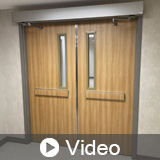 This course explores how integrated door opening systems are redefining healthcare environments by addressing critical factors such as life safety, accessibility, infection control, acoustics, and long-term durability. Rather than viewing doors, hardware, and frames as separate components, participants will examine the performance advantages of a system-based approach that enhances circulation, reduces maintenance, and supports patient and staff outcomes. 
FREE |
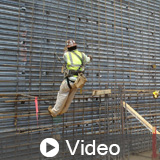 Concrete forming is evolving as projects demand tighter schedules, more complex geometry, and higher durability, especially in infrastructure and data center construction. This course introduces modern stay in place forming systems as a practical and reliable alternative to traditional plywood formwork. These systems offer a lightweight, galvanized steel mesh that simplifies rebar and conduit penetration and remains in place after concrete is poured. 
FREE |
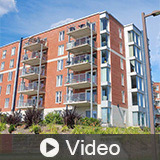 Moisture is one of the most persistent threats to any wall assembly, and often the damage goes unseen until it’s too late. This course explores how rainscreen systems protect buildings by managing water, promoting ventilation, and extending the life of the exterior envelope. Participants will learn how to design and specify assemblies that drain and dry effectively, reducing the risk of mold, rot, and costly structural repairs. Through real-world examples, we’ll look at how changing codes, climate conditions, and construction practices make moisture management more important than ever.
FREE |
 Thin stone veneers are revolutionizing architectural design by offering lightweight, flexible, and sustainable alternatives to traditional stone applications. We will take an in-depth look at ultra-thin stone veneer technology, its composition, manufacturing process, performance benefits, and broad range of applications. Design professionals will gain insight into specifying these unconventional materials for commercial and residential projects, ensuring compliance with fire ratings, sustainability considerations, and best practices for installation. 
FREE |