
LEED v5 Heat Island Reduction

GreenCE’s mission is to support the necessary transition to a sustainable built environment by empowering design professionals to address the environmental, economic, and social impacts of buildings. GreenCE’s course catalog includes LEED exam preparation, continuing education to maintain your AIA or LEED credential, as well as specialty education focused on topics such as ADA/Barrier-Free requirements. We are committed to designing the highest quality continuing education programs in the construction industry.
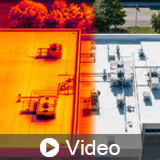
A dark roof on a summer afternoon can run 66°F hotter than the air around it, and the parking lot next door keeps radiating heat long after dark. Multiply that across a city and you get a heat island. Nights stop cooling off, energy bills climb, and U.S. heat deaths have more than doubled since 1999. Every roof, parking lot and tree on your project either adds to that heat or takes it away. This course shows you how to take it away and earn up to two points under the LEED v5 BD+C Heat Island Reduction credit. You’ll learn which strategies work, how to document them, and how the new Tree Equity option brings shade where it’s needed most.
- Discuss the intent and requirements of the LEED v5 BD+C Heat Island Reduction credit and how it affects building occupants and surrounding communities.
- Compare the three options in the LEED v5 BD+C Heat Island Reduction credit (Nonroof and Roof, Parking Under Cover, and Tree Equity) and choose the best fit for a project.
- Identify the design strategies and documentation project teams use to pursue the LEED v5 BD+C Heat Island Reduction credit.
- Explain how surface reflectance, vegetation and shade affect urban heat and occupant comfort.