This seminar will focus on existing buildings and how they should comply, alterations and the five elements required to be upgraded to meet the Standards once an area containing a primary function is altered.
Abadi Accessibility
$35.00 |
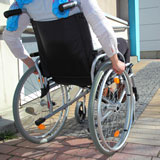 A workplace is a complicated space when it comes to understanding the requirements for accessibility. Some spaces are exempted while some require full access. This seminar gives an overview of what requirements exist in the ADA about work areas and when the ADA Standards apply.
$35.00 |
 In the 2010 ADA/ABA Standards for Accessible Design, the U.S. Access Board added requirements for residential facilities. These requirements are not for multi-family housing projects or for single family housing, but housing required to be accessible by the ADA and ABA. This course will explain the difference between the ADA and FHA requirements and teach about the technical requirements for each Standard. And will make it more clear how the ADA and the other accessibility standards make residential facilities more accessible.
$35.00 |
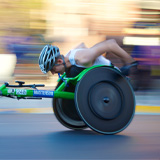 This session will offer a graphic side-by-side comparison of the technical standards from the 1991 and the 2010 versions of the ADAAG. It will explain the timeline of the new guidelines, detailing they take effect and when they will become mandatory. The class will also cover new sections and new elements with which compliance will be required. Focus will also be given on how this affects Texas and the Texas Accessibility Standards.
$35.00 |
Accufoam
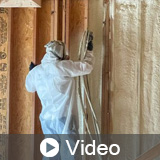 Ready to revolutionize your insulation specifications? Spray foam technology is reshaping how we achieve energy efficiency, indoor air quality, and sustainability in commercial construction. This comprehensive course demystifies open-cell versus closed-cell systems, showing you exactly where each excels in real-world applications. You'll unlock the secrets to maximizing LEED v4.1 design strategies through spray foam specification—from energy performance and low-VOC emissions. 
FREE |
AcornVac, Inc.
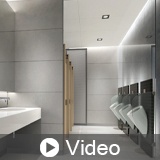 During this course, we explore how vacuum plumbing can help design professionals create projects that save water, energy, and money and contribute to sustainable design. We review how vacuum plumbing can help contribute to LEED projects and prevent the spread of infectious diseases, especially during a pandemic. Our team illustrates the differences between vacuum plumbing and gravity plumbing and how they compare regarding sustainability, health and safety, cost and design and use of existing real estate flexibility. 
FREE |
ACT, Inc.
 Offers GBCI Credit. NO AIA Credit. The new US Government Electrification program will change the way homes and buildings are built to heat and distribute the hot water, energy efficiency and overall sustainability. The objective is to reduce Carbon Footprint. Water and energy are precious resources, and, unfortunately, traditional hot water distribution systems not only waste but create green gas, pollution and sewage processing. Join us in this one-hour course as we discuss how the distribution of hot water directly impacts energy use, water consumption, air pollution and waste. 
FREE |
 AWARDS GBCI CREDIT. NO AIA CREDIT. This course explores the critical but often overlooked relationship between water and energy consumption in the built environment, highlighting the environmental and economic impacts of inefficiencies in traditional hot water delivery systems. Attendees will gain foundational knowledge of hot water recirculation technologies, including key distinctions between traditional and on-demand systems, design considerations for new and retrofit projects, and performance optimization through smart technologies.
FREE |
advancreative
 This comprehensive course empowers design professionals to implement personal creative practices for managing stress during high-pressure situations while transforming organizational cultures to improve team well-being. You'll develop creative culture transformation strategies tailored to specific organizational needs, learn to select sustainable materials, lighting, and natural elements for healthier creative workspaces, and master structured brainstorming techniques using established protocols to boost team creativity. 
FREE |
AMICO
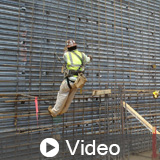 Concrete forming is evolving as projects demand tighter schedules, more complex geometry, and higher durability, especially in infrastructure and data center construction. This course introduces modern stay in place forming systems as a practical and reliable alternative to traditional plywood formwork. These systems offer a lightweight, galvanized steel mesh that simplifies rebar and conduit penetration and remains in place after concrete is poured. 
FREE |
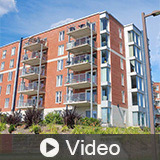 Moisture is one of the most persistent threats to any wall assembly, and often the damage goes unseen until it’s too late. This course explores how rainscreen systems protect buildings by managing water, promoting ventilation, and extending the life of the exterior envelope. Participants will learn how to design and specify assemblies that drain and dry effectively, reducing the risk of mold, rot, and costly structural repairs. Through real-world examples, we’ll look at how changing codes, climate conditions, and construction practices make moisture management more important than ever.
FREE |
Avalon International Aluminum
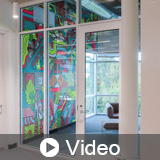 Aluminum doors and frames are increasingly popular in commercial interiors for their clean aesthetics and strong performance. This course explores practical applications of aluminum framing systems in modern architectural projects. Learn how to specify systems that meet fire and acoustic requirements, support flexible design goals, and install easily on various wall types. Discover how these solutions comply with building codes, reduce labor, and work with diverse hardware. 
FREE |
AZEK & TimberTech
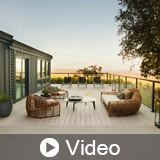 Plastics like PVC (polyvinyl chloride) and PE (polyvinyl ether) have long been used in the built environment, yet myths and outdated perceptions continue to impact their use in sustainable design. This course explores the distinct characteristics of PVC and PE, focusing on their material benefits, fire resistance, moisture durability, and safety in construction applications. Participants will examine the evolving environmental narrative around plastics, including the realities of recycling, microplastics, and the life-cycle performance of plastic-based building products. 
FREE |
Babcock Davis
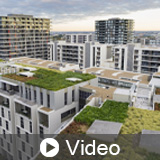 This course will go over the basics of vegetated roof construction and how the industry has documented successful installations over the last 25 years in the United States. We will teach the design requirements and standards unique to green roofs. The course will educate the participant on the benefits of the technology- including stormwater management and lowering roof temperatures. We will also provide project examples across the country that incorporate a variety of technologies such as biosolar, amenity decks, daylight harvesting, and agricultural production. 
FREE |
Big Ass Fan Company
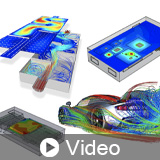 In this presentation, we discuss Computational Fluid Dynamics (CFD) and how it can be used as a tool by building designers to ensure occupant health and safety. We interpret CFD analyses to make design improvements for optimal air movement, cohesive comfort for occupants, and efficiency. Finally, we explain how destratifying a space can decrease HVAC sizing for more efficient and sustainable designs. 
FREE |
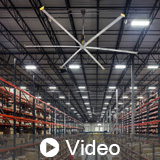 This course provides architects and design professionals with practical guidance on integrating ceiling fans into HVAC system design to enhance energy efficiency, occupant comfort, and long-term building performance. Participants will examine how strategic air movement supports thermal comfort, reduces HVAC loads, and contributes to material and cost savings. The course also reviews selection, layout, and coordination strategies that promote resilient and sustainable building systems.
FREE |
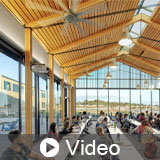 In this course, we explore how HVLS Fans can contribute to thermal comfort, energy savings, and sustainable design. Our team explores the basics of ASHRAE Standard 55 requirements and new updates to Standard 55-2017 & 55-2020. We discuss how air movement can assist with meeting indoor air quality performance and energy performance requirements for sustainable design projects. Finally, we describe how to evaluate compliance with comfort standards in various environments and how they affect building occupants.
FREE |
Bilco Brick
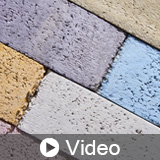 Concrete brick has often been overlooked, yet it delivers many of the qualities that architects have been looking for all along. With the same familiar look and installation process as clay brick, concrete brick adds advantages that make it a strong option for today’s projects. This course explores how concrete brick is made, how it compares to clay brick, and why its performance, sustainability data, and warranty benefits are getting the attention of design professionals. 
FREE |
Blue Ridge Fiberboard
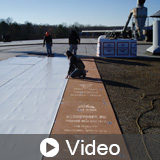 Implementing a roof coverboard is a critical component in modern roofing assemblies that offers a multitude of benefits, from enhanced durability to sustainability. Join us for an hour-long course on the nuances of this roofing assembly component in designing buildings that are structurally sound and environmentally responsible. Participants will gain insights into the latest advancements in roof cover board technology, including the development of products with a monolithic core that ensures superior bonding strength, critical for fully adhered roofing systems. 
FREE |
Carlisle HVAC Products
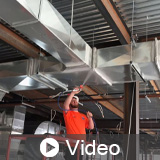 In this one-hour course, we will consider the components necessary to keep an HVAC system functioning efficiently. We will examine various types of sealants and coatings and how best practices concerning their installation and quality control can be used to increase the lifespan of the HVAC system. This course will explore the importance of minimizing air leakage in the HVAC to avoid environmental issues, such as high levels of energy consumption, and to improve the indoor air quality for the building’s occupants. 
FREE |